The words you grew up with
Kolache, kolacky, koláč? The name at your family’s table is part of the story, including when that story has changed.
Meet us at the Yukon Czech Festival
Maybe it starts in Grandma’s kitchen. Maybe at a church bake sale. A few questions about what you bake, what you call it, and who taught you can open a whole conversation.
Discover your traditionDifferent fillings. Shared memories.
Every family brings something to the table.
Tell us about the kolaches you know.
A free interpretation, with room for uncertainty.
Go deeper, visit our booth, or ask your family.
From the kitchen table
The filling. The shape. The way someone knew the dough was ready. A photograph can start a conversation that a family tree alone cannot.
Photographs from The Kolache Project’s collection.
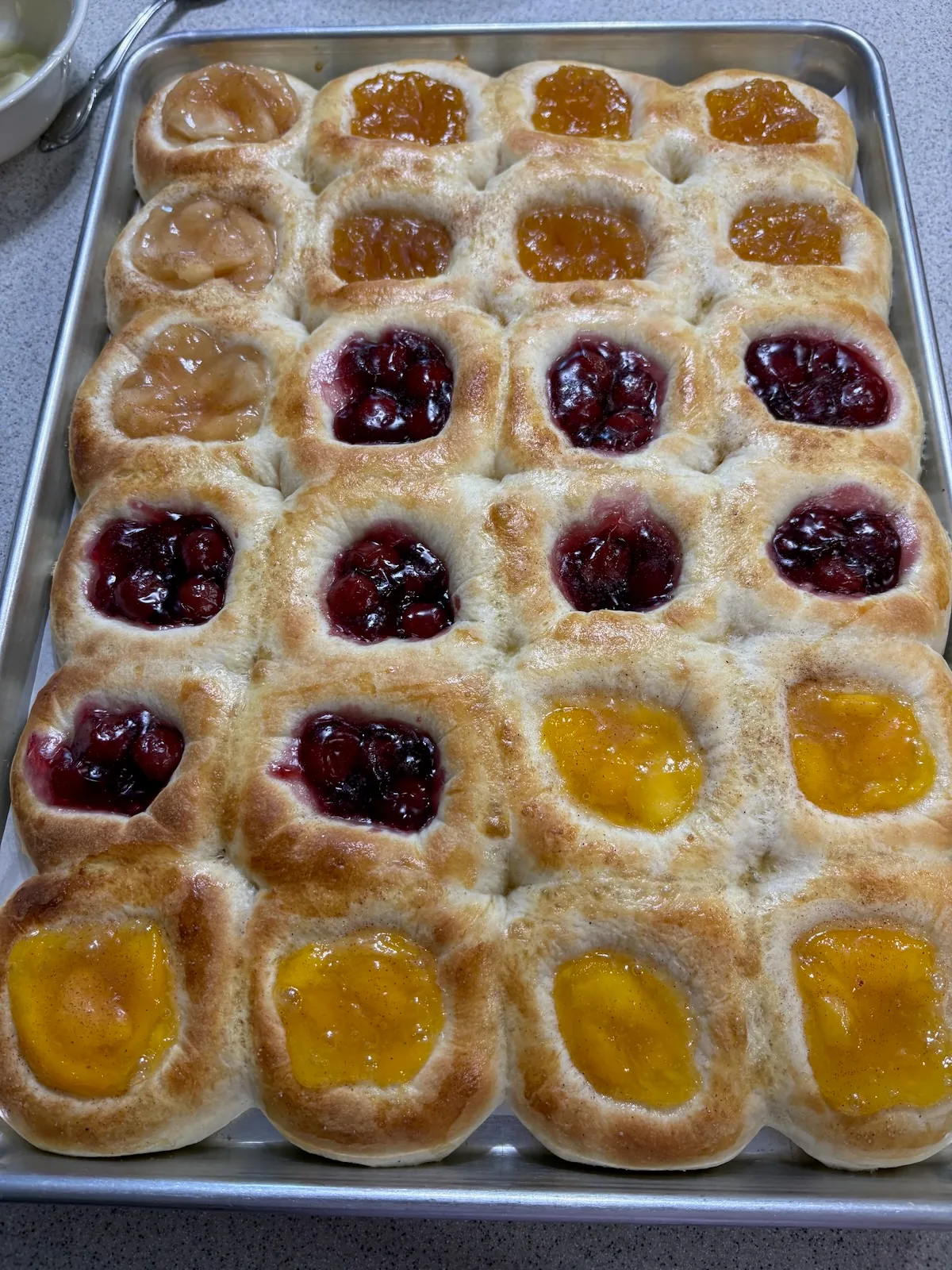
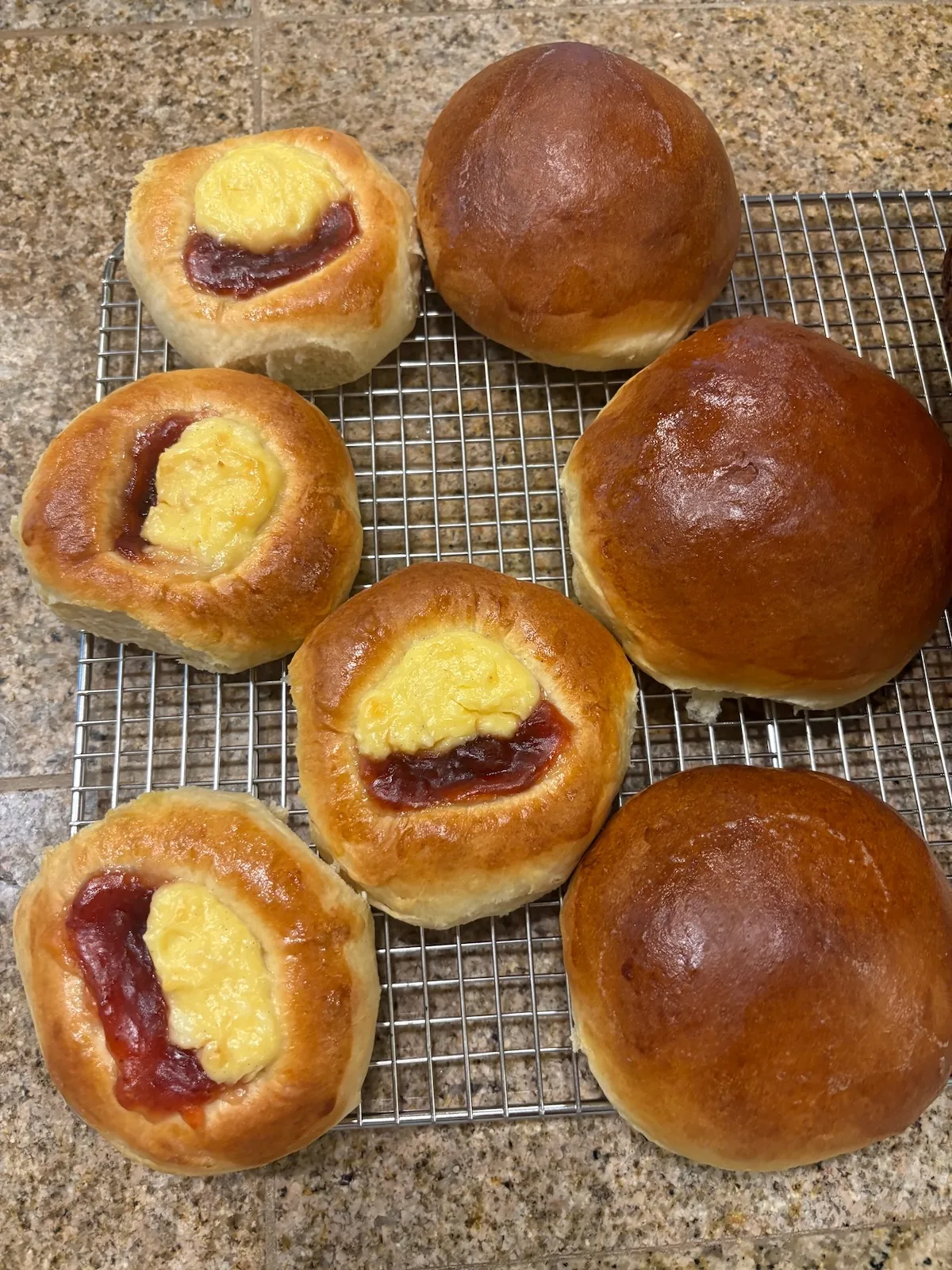
A little curiosity goes a long way
Spelling, shape, filling, and family rituals are clues to a living tradition. You don’t have to be a baker, or know every answer, to join in.
Kolache, kolacky, koláč? The name at your family’s table is part of the story, including when that story has changed.
Open-faced or folded. Poppy seed or prune. Your answers help describe similarities to traditions represented in our model.
A parent, a neighbor, a parish kitchen, or your own first batch. Traditions travel through people—and keep evolving.
For the curious keeper of family stories
The optional Kolache DNA Field Guide turns your answers into a deeper, personalized reading of your food tradition—with explanations you can inspect and questions to take back to your family.
$19 one-time purchase · optional
Explore a sample field guide“Kolache DNA” is a cultural metaphor. This is not a DNA test, proof of ancestry, or a genealogical finding. Your free snapshot and survey participation do not depend on a purchase.
A closer look at the traditions
that found their way to your table.
Illustrative cover. The sample explains what the guide includes and where interpretation ends.
From our table to yours
The Kolache Project is a project of Anne & Joachim Heritage Press. We care about the stories, faith, and everyday traditions that connect generations.
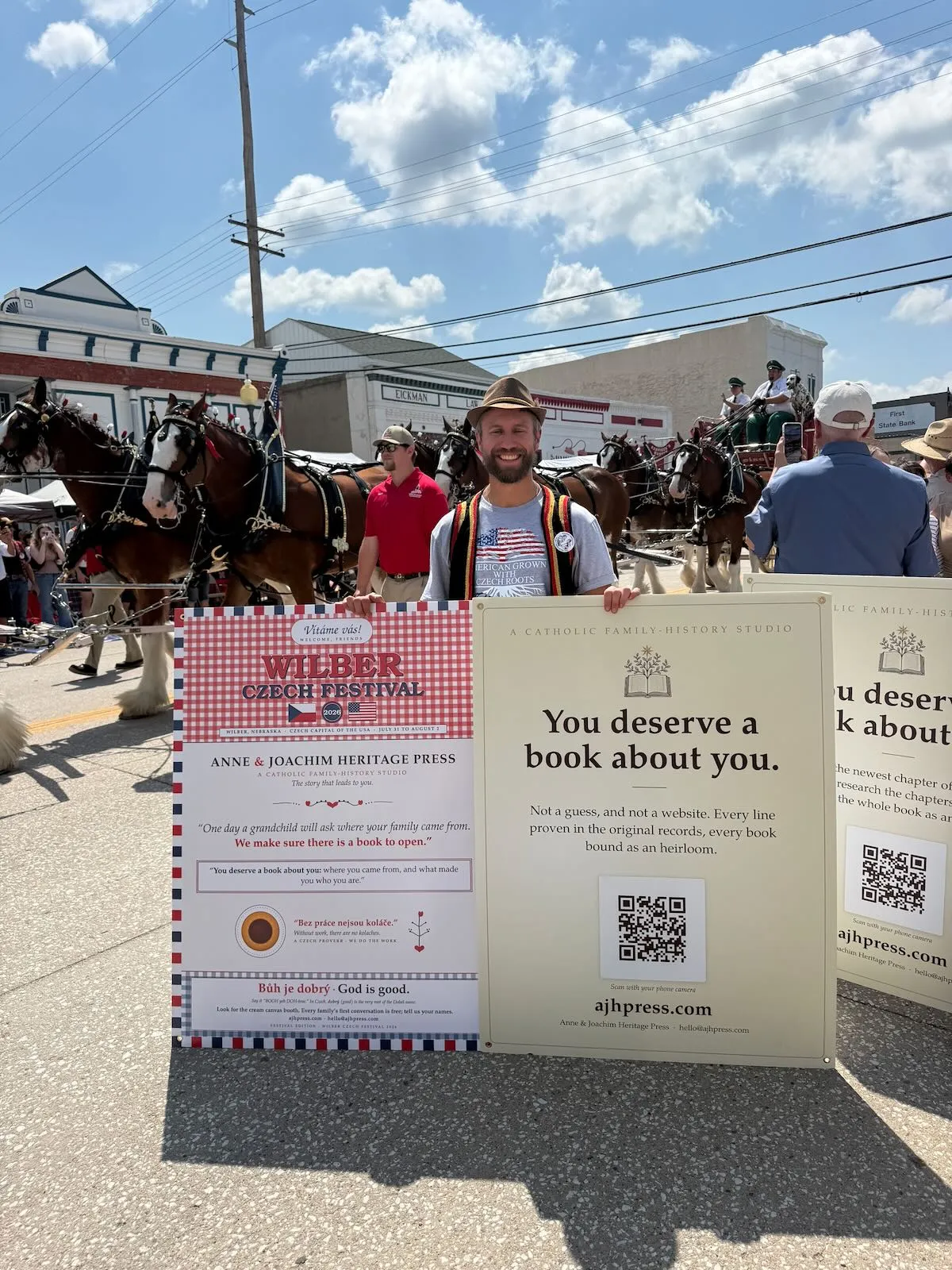
Visit Anne & Joachim Heritage Press to explore its current offerings. At the Yukon Czech Festival? Stop by our booth, share your result, and tell us what your family calls a kolache.
Explore Anne & Joachim Heritage Press (opens in a new tab)Using our festival laptop? Open the booth welcome screen.
Curiosity, with care
Family traditions are richer than any quiz. We make the model’s limits visible so you can enjoy your result without mistaking it for a historical verdict.
Read our methodIt describes how your answers align with cultural tradition profiles in a hand-built model. The weights are unvalidated. Similarity scores are not ancestry probabilities, and a recipe or spelling cannot establish where your family came from.
No. Participation is voluntary. Research enrollment is currently closed. Any future opt-in research data from this survey would form a convenience sample. Festival visitors and online participants do not represent all Czech families or all kolache traditions. We cannot infer population prevalence or causal findings from this sample.
No. The tradition snapshot is free, contact details are optional, and free results stay on your device by default. Purchasing the optional field guide is separate from choosing to contribute survey answers. Read our privacy notice for the details.
Use the unsure or skip choices where offered. Uncertainty is useful information. You can also answer for the tradition you know best and use the result to start a conversation with someone who remembers more.
Your story starts with the kolaches you know.